

Winter Safety for Older Adults: Staying Warm and Well
Winter brings real challenges for older people, from icy pavements to heating costs and isolation. Here’s how to stay safe, warm and well during the colder months.
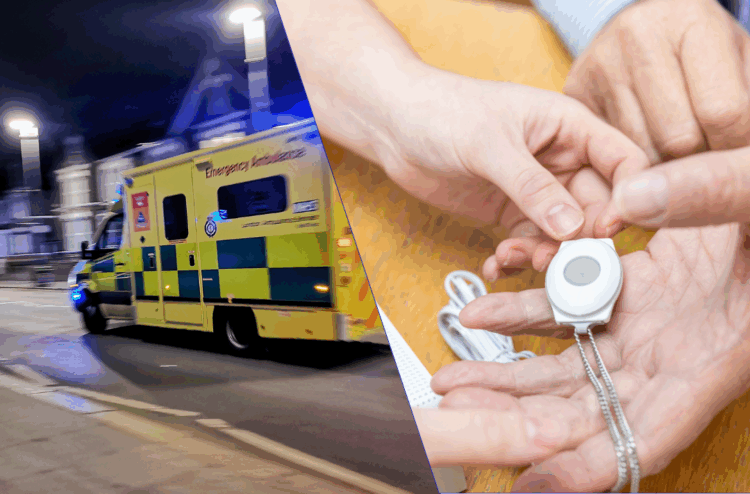
Pictured above: At Home Personal Alarm
In this article, we will examine the direct and indirect costs associated with emergency service costs and how our cost-effective telecare solutions can help mitigate some of the pressure on the NHS.
The NHS is an incredible service. Unlike many other countries worldwide, as UK citizens, we don’t need to pay large fees for healthcare services such as police assistance, ambulance call-out fees, and hospital stays. However, as taxpayers, we indirectly pay for it, and the actual costs for these services may surprise you.
When we refer to ‘costs’, this does not just mean the costs in GBP, but also the administrative time required in the background, as well as the stress it places on the emergency services.
Unfortunately, our ageing population are among those who may frequently need medical support. According to Age UK, the rate of A&E attendances among those over 80 increased by 40% between 2012/13 and 2021/22.
While some incidents are not preventable, there are certain things you can do to mitigate the risk of needing to use the emergency care services.
As mentioned above, the costs associated with the UK emergency services go far beyond the physical price in GBP.
Of course, the salary of the medical professionals, ambulance call-out fees, and treatment costs have a price associated with it:
According to Kingsfund.org, “for someone who attends an urgent care centre and receives the lowest level of investigation and treatment, the average cost in 2025/26 is £114. For an individual at a major A&E department who receives more complex investigation and treatment, the costs range on average from £173 to £563. In 2023/24, the estimated average cost of a patient taken to A&E by ambulance was £459. Ambulance call-outs that didn’t result in a trip to A&E cost an estimated average of £327.”
Regarding the indirect costs, we must consider administrative time, staffing issues, reduced productivity, and the stress and pressure on NHS services and personnel. This is difficult to quantify, but they are substantial.
According to missingpeople.org.uk, 4 in every 10 people with dementia will go missing at some point, often unintentionally. This is almost half and is sure to put pressure on emergency services and incur large costs.
According to a survey by the University of Portsmouth, the cost incurred in a real-life case of a medium-risk, medium-term missing person investigation was £2,415.80.
So, how can we help to do our part in reducing the pressure on the NHS and emergency services due to our ageing population?
The answer is telecare.
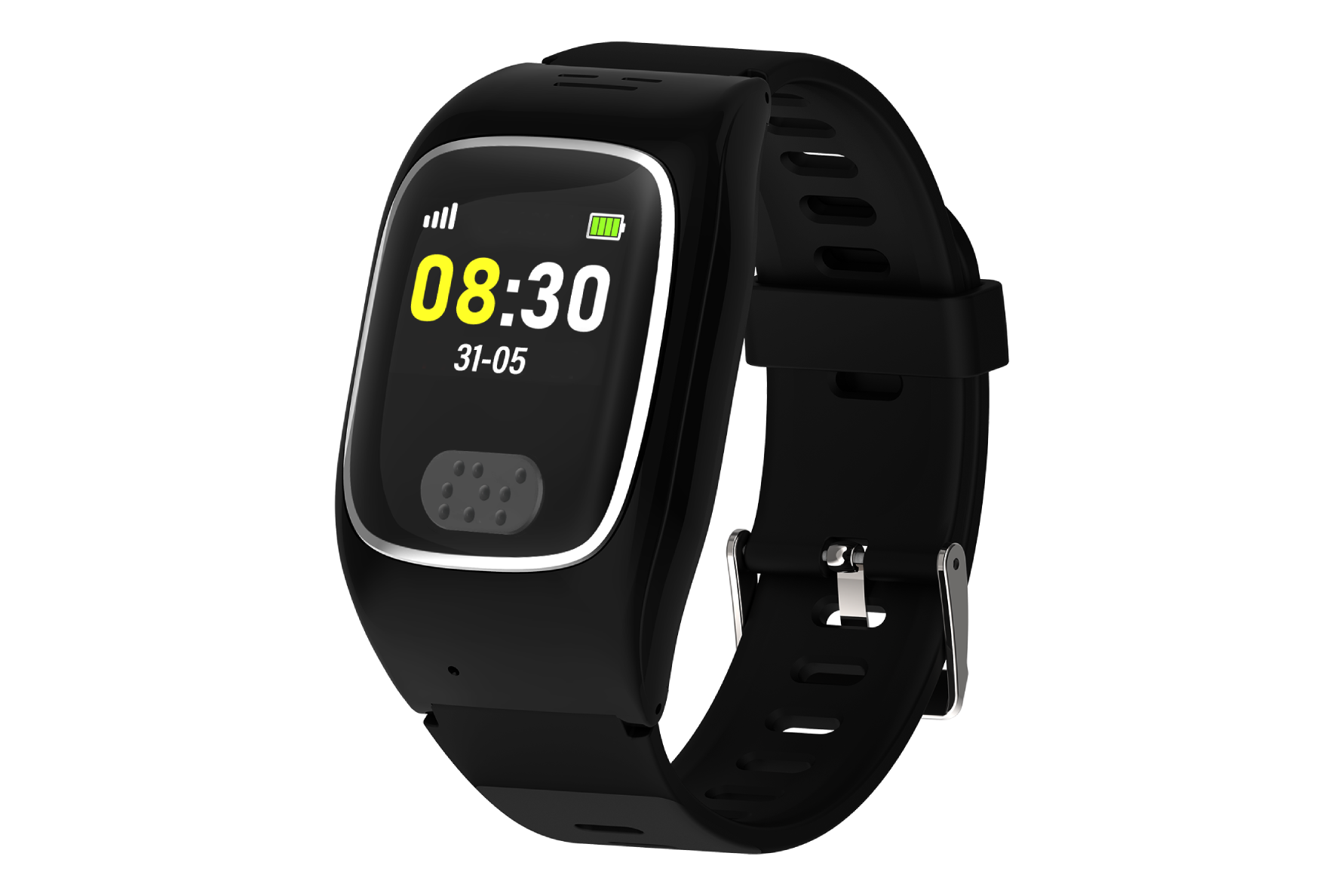
Pictured right: Out & About Watch
Telecare helps ease the pressure on the NHS by reducing unnecessary hospital visits, empowering patients to manage their health at home, and providing a more efficient and proactive healthcare system.
Telecare services can significantly reduce the number of people needing to be admitted to the hospital or visit A&E. By using devices such as fall detectors, personal alarms, and watches, telecare can immediately alert a response centre when an incident occurs. This means help can be dispatched quickly, preventing a minor incident, like a fall, from becoming a severe injury requiring hospitalisation.
For patients with long-term conditions, such as heart disease or diabetes, telecare enables constant remote monitoring of vital signs. This allows the users to catch early warning signs of a deteriorating condition and intervene before it becomes a medical emergency.
This can significantly help reduce the stress on our emergency services.
Telecare empowers people, particularly the elderly and those with disabilities, to live independently in their own homes for longer. This reduces the demand for residential care and domiciliary care visits, freeing up resources for the NHS. By providing tools for self-management, telecare helps individuals take a more active role in their own health, leading to better outcomes.
At Red Button Telecare, we have a range of ‘At Home’ and ‘Out & About’ products designed to offer peace of mind 24/7. Our fully digital systems connect directly to our UK-based monitoring centre -ensuring fast, secure, and dependable support day or night.
Explore our packages now and do your part in taking pressure off the NHS and emergency services.
In conclusion, telecare offers a powerful solution to some of the pressure and stress challenges facing the NHS. Leveraging technology to provide proactive support helps to reduce the strain on hospital services, empower patients to live more independently, and improve the efficiency of care delivery.
As the demand on the healthcare system continues to grow, integrating telecare as a core component of patient care will be crucial for creating a more sustainable, responsive, and effective healthcare model for the future.
Learn more about our digital telecare packages.
E: hello@redbuttontelecare.co.uk
T: 0800-0086277
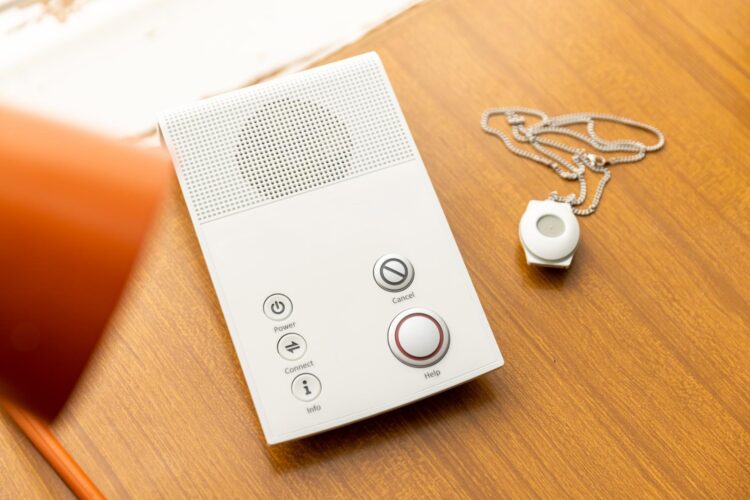
Our Home Personal Alarm Package includes a digital lifeline alarm unit and a discreet pendant—upgradeable to a fall detector if required.
At Home Personal Alarm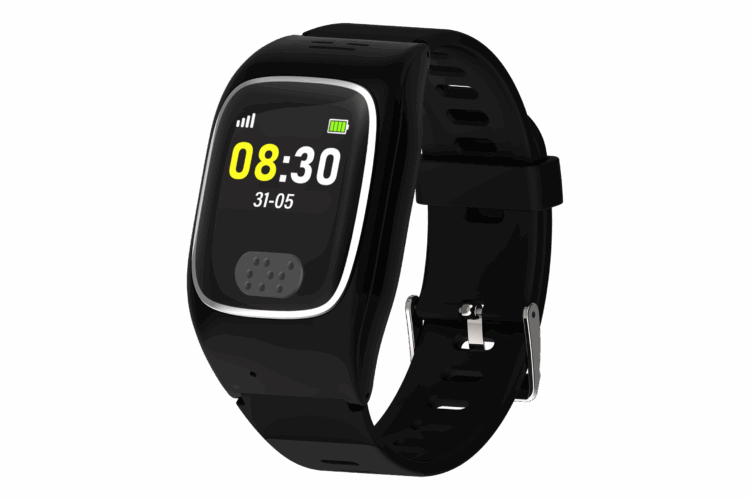
Looking for a reliable personal alarm for yourself or a loved one? The Red Button SOS Watch is the ideal safety companion—designed for independence, peace of mind, and round-the-clock protection.
Out & About WatchWinter brings real challenges for older people, from icy pavements to heating costs and isolation. Here’s how to stay safe, warm and well during the colder months.
The UK’s shift from analogue to digital technology means older telecare systems are becoming obsolete. Discover what you need to know and why upgrading to a digital personal alarm matters.
Loneliness in older adults is linked to serious health risks, but staying connected is easier than you might think. Discover practical ways to build friendships and maintain close ties at any age.

